
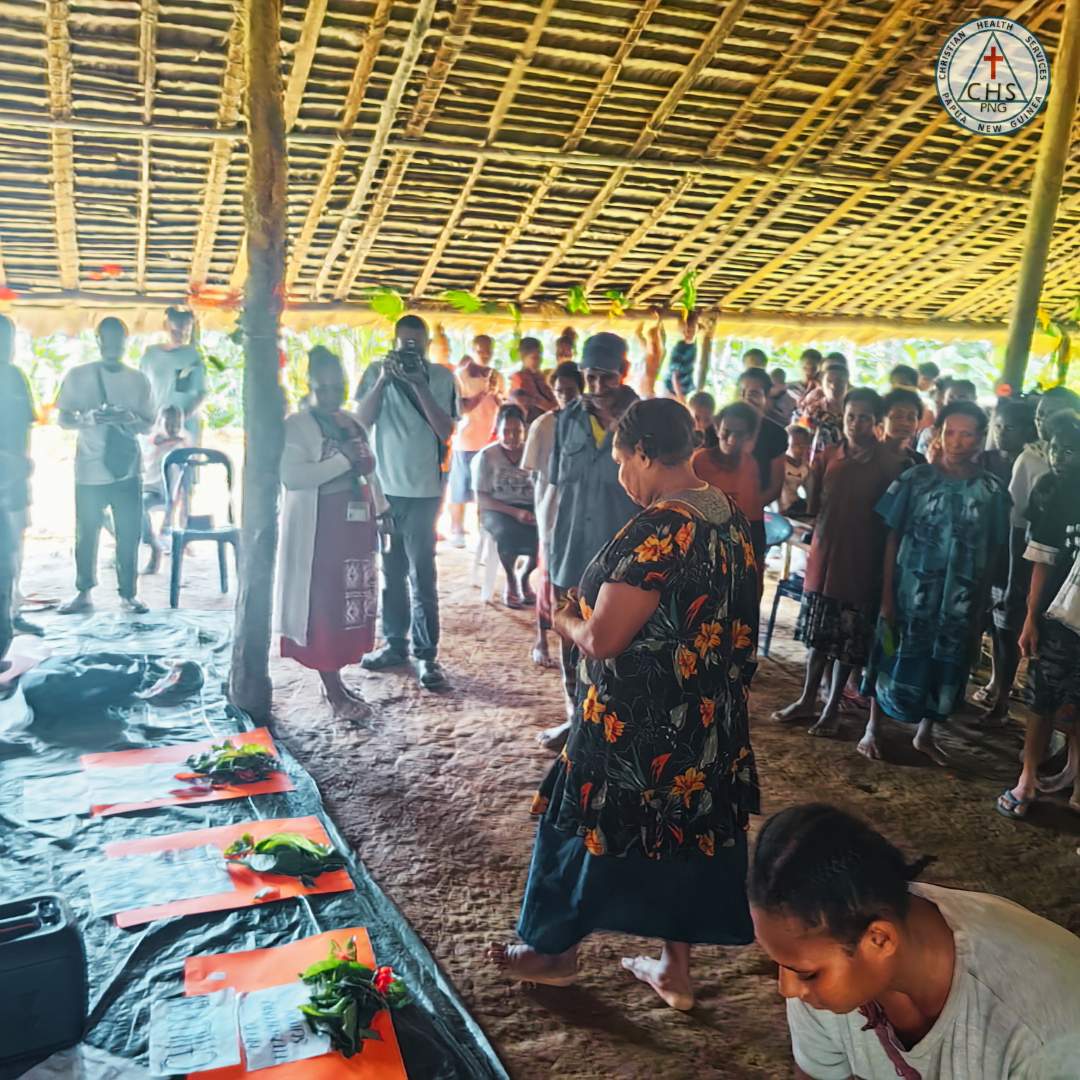
The audience sat quietly as six mothers climbed into a makeshift canoe. With urgency on their faces, they began paddling through an imaginary waterway while a heavily pregnant woman sat in the middle, crying out in pain as labour progresses unabated.
The paddling action by the mother was vigorous as they tried harder to reach medical help before it was too late. A plight of all mothers’ struggles in a remote setting like this dramatized scenario.
Presented only as a drama to officially open the EDEN Community Mass Training, the scene reflected a harsh reality faced by the people of Wowobo Village in Ward 19 of Kikori District, Gulf Province.
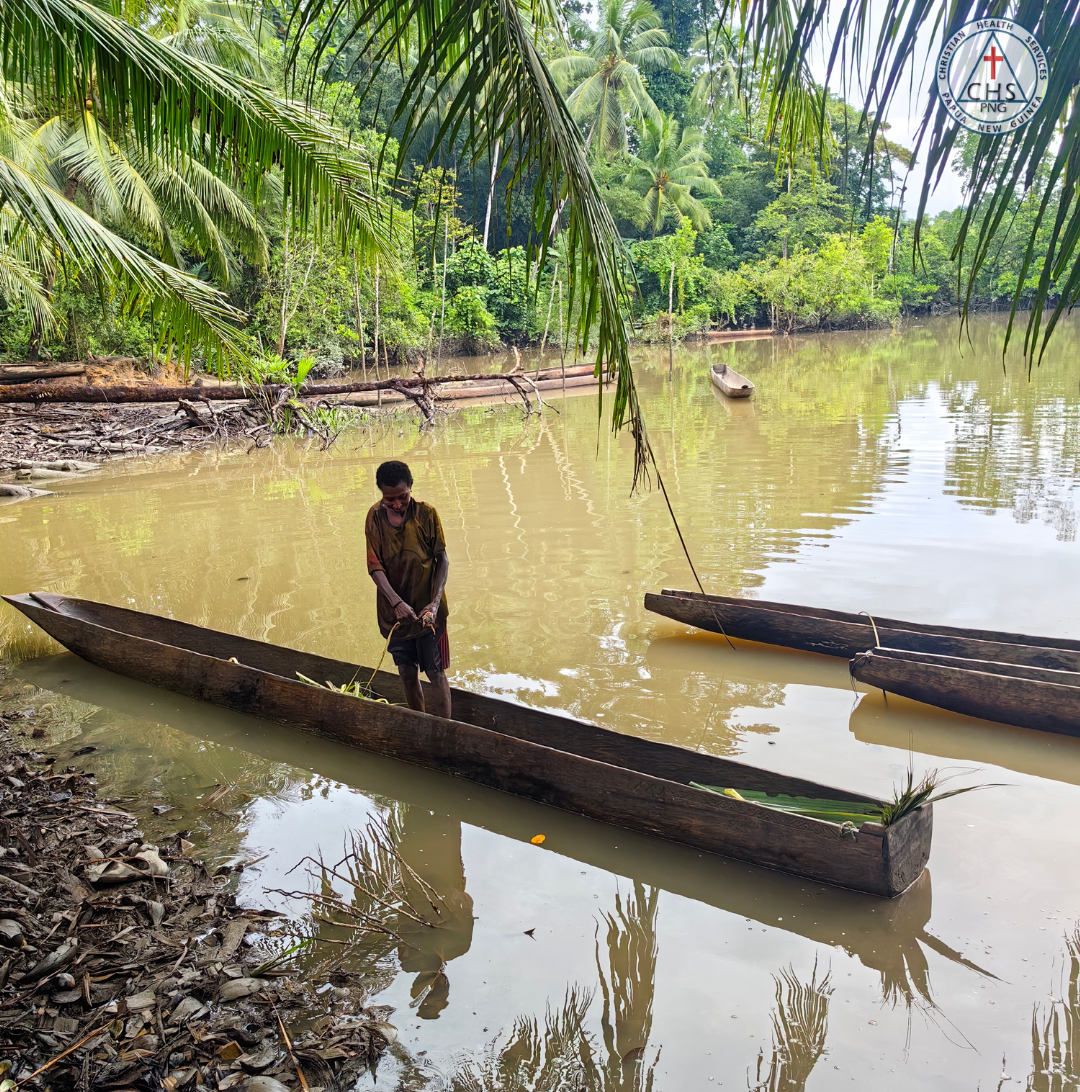
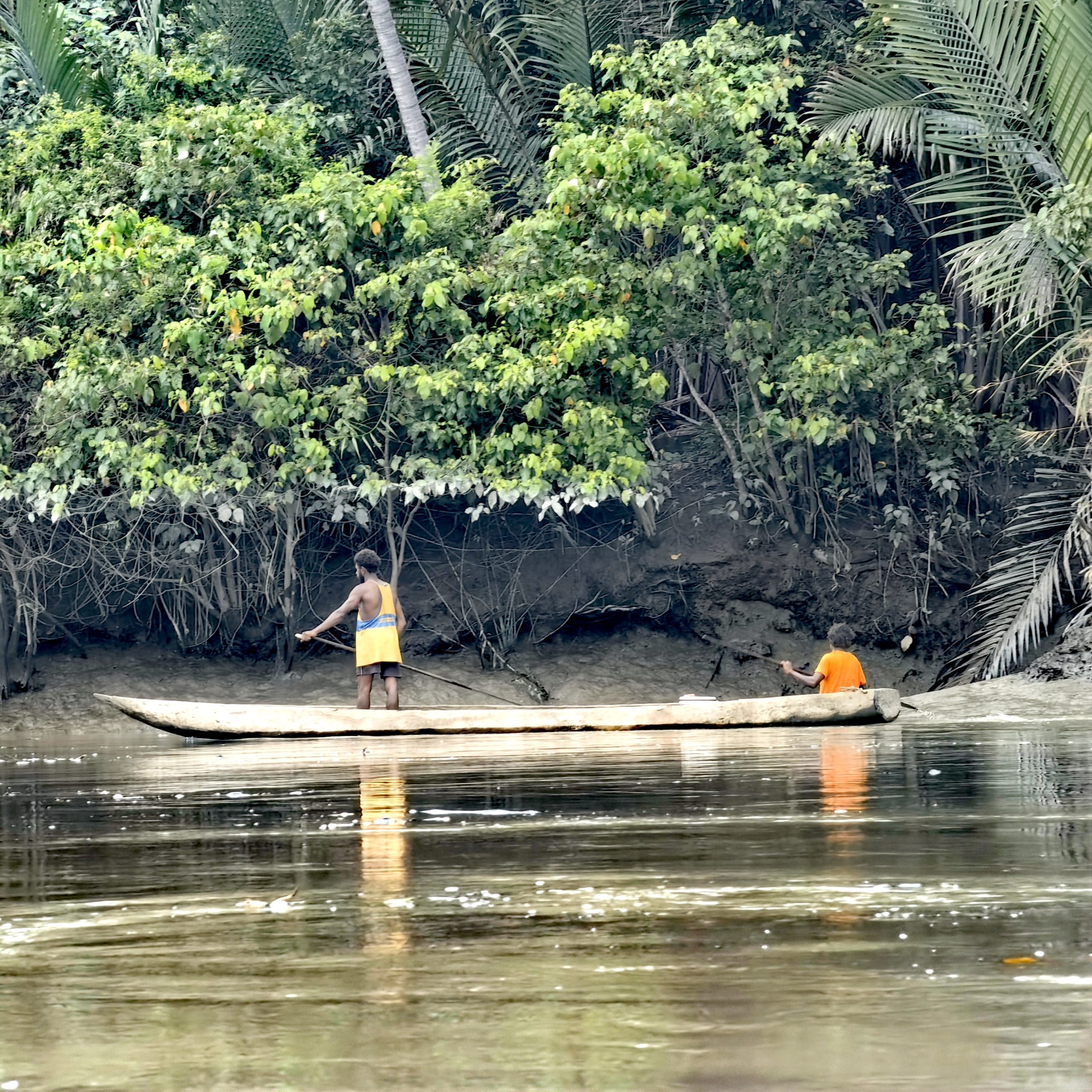
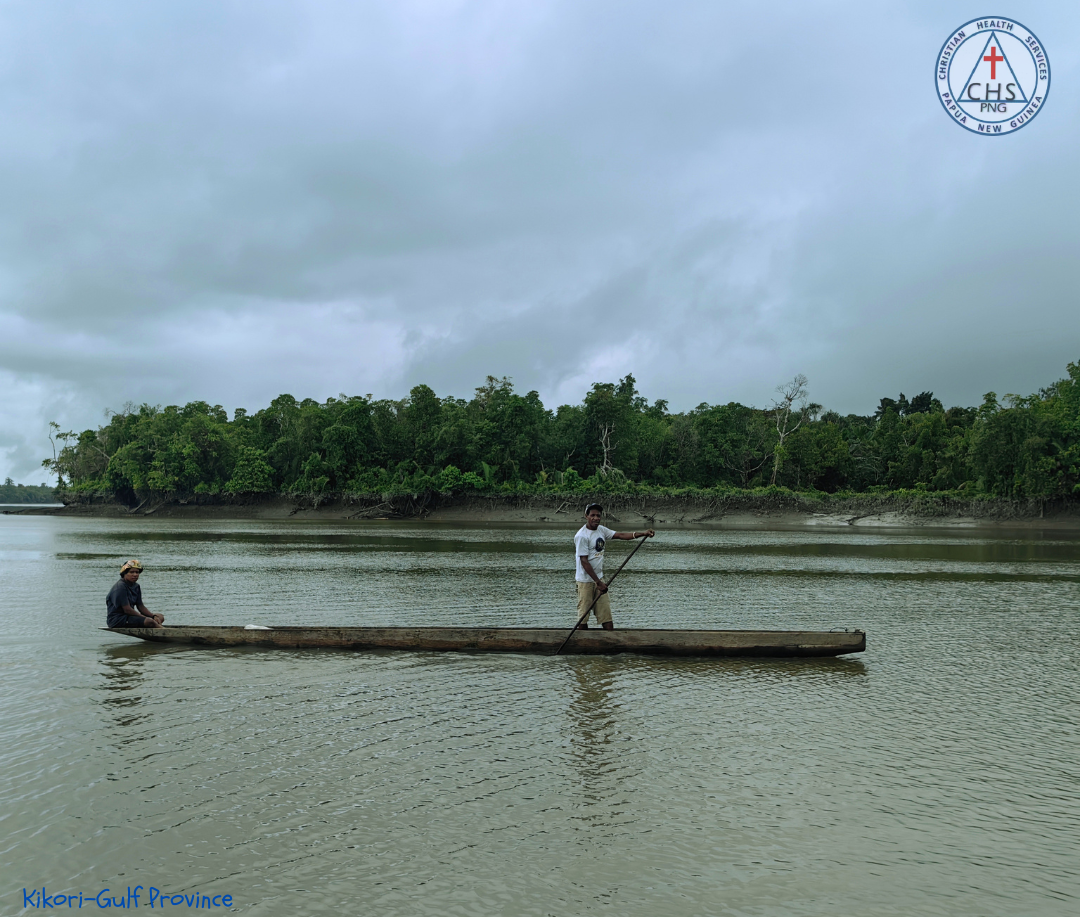
For decades, mothers, children, and sick patients from this remote community have travelled long distances by canoe through swampy waterways and river channels to access some form of basic health services.
The powerful drama was just what the doctor ordered to set the tone for the opening of the EDEN Community Mass Training. The training was conducted from 18–23 May 2026 by Gulf Christian Services (GCS) in partnership with Christian Health Services Papua New Guinea (CHSPNG) National Secretariat Office.
Kikori District is renowned for its vast swampy waterways, dense lowland rainforests, mangrove forests, and extensive wetlands. Coupled with the region’s heavy rainfall and challenging terrain, many communities can only be reached by travelling through swamp waters and winding river systems.
For the people of Wowobo, canoes remain one of the primary means of transportation. During medical emergencies, families often paddle for hours on end through swamps and rivers to seek medical treatment. When the weather condition gets worse, journeys become even more dangerous. In some cases, lives have been lost before reaching help.
For many years, the community of Wowobo have to make do without a functioning health facility and school. An aid post established years ago has remained inactive for more than two decades, while the village’s primary school has fallen into disrepair.
The opening drama served as a powerful reminder of why change is urgently needed.
The EDEN Community Mass Training was organized by the Gulf Christian Services Kikori Rural Hospital Health Promotion Team under the leadership of Acting Public Health Manager Mr. Jasper Erinuka, with support from the Kapuna Health Promotion Team and Christian Health Services PNG.
The training was facilitated by the Health Promotion Trainer from CHSPNG National Secretariat Office in Miss Shelma Hubert, and supported by health workers from both Kapuna and Kikori Rural Hospitals.
Participants included community leaders, church representatives, ward councillors, health workers, youth leaders, women representatives, and community members.
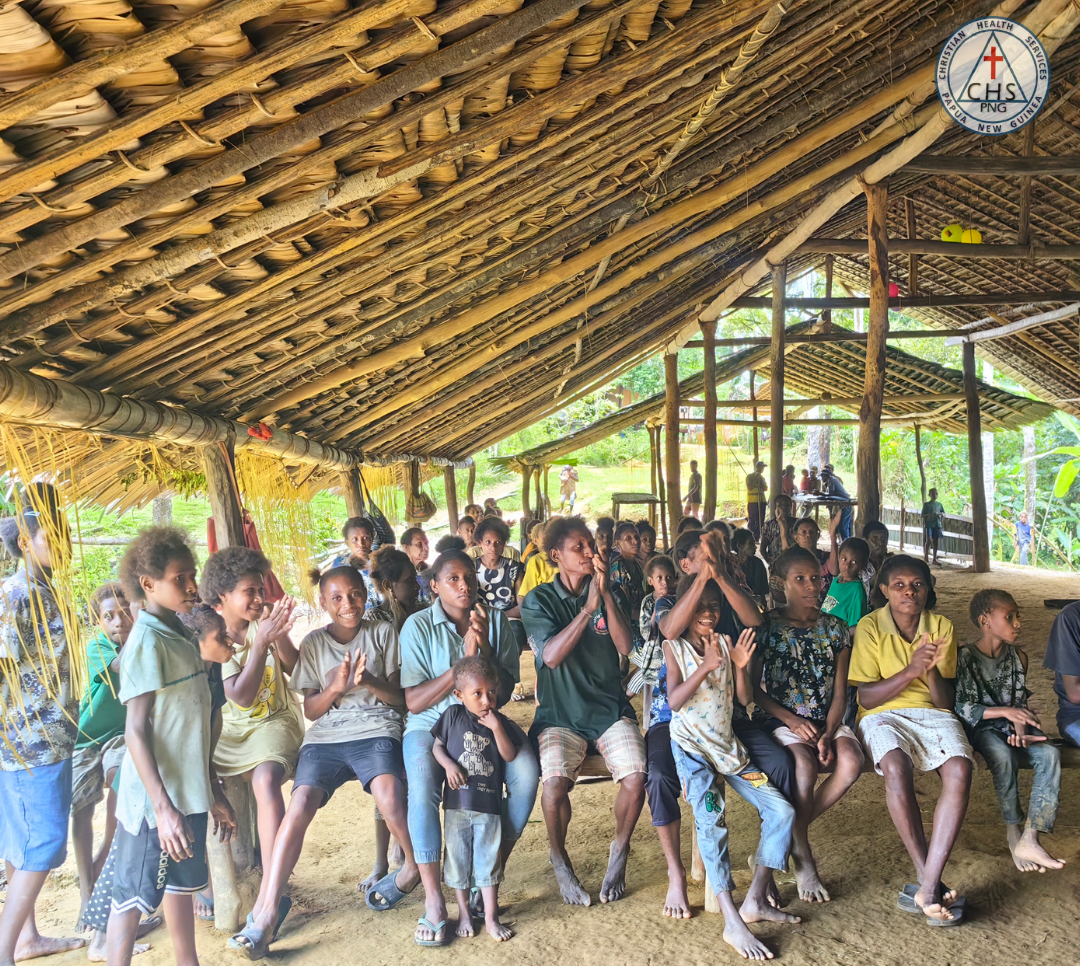
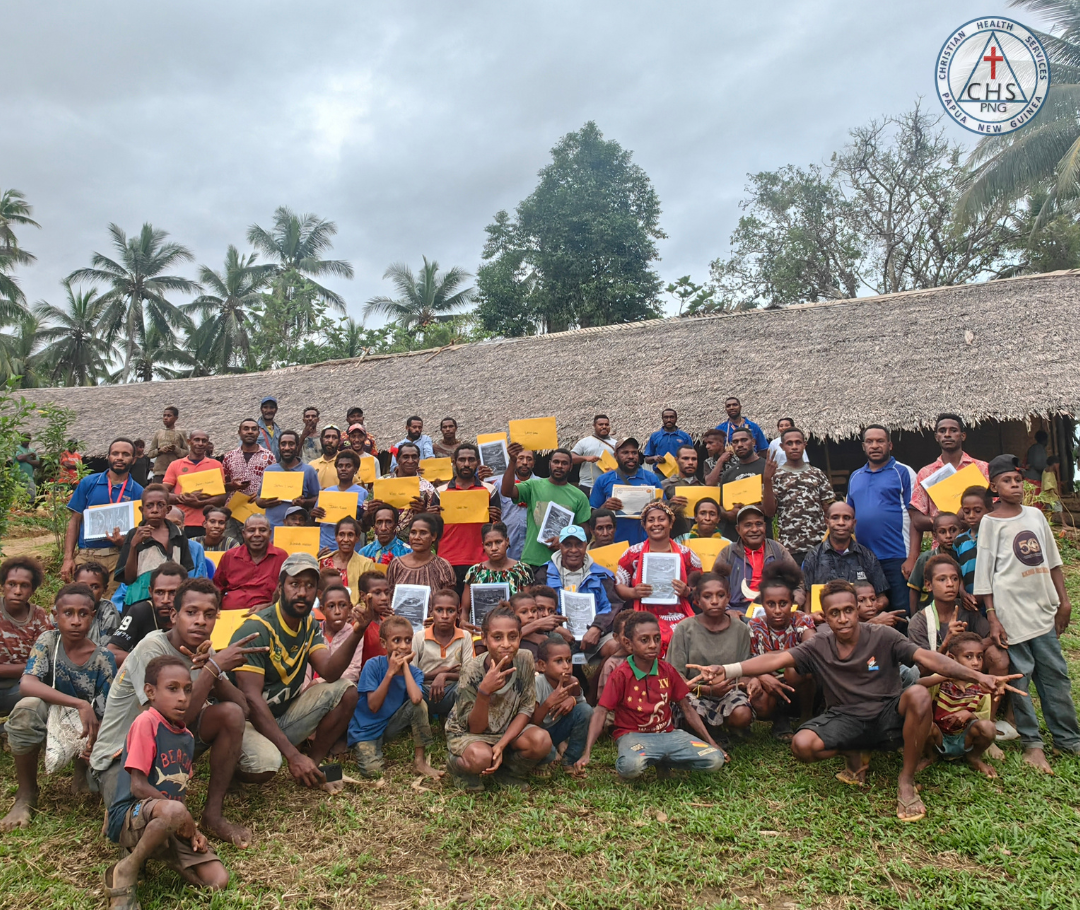
Prior to the training, the GCS Kikori team conducted awareness activities within the community which generated strong interest and participation. Originally 34 participants were expected to attend and receive certification but due to the strong outreach and advocacy for the training many additional villagers joined the sessions throughout the week, demonstrating the community’s eagerness to learn.
Miss Hubert encouraged all community members to participate, emphasizing that “the EDEN Mass Training was designed not only for selected participants but for the entire community”.
The EDEN Concept focuses on three key areas: 1. empowering communities to identify their own challenges, 2.Recognize and identify available resources, and 3. Take ownership of development rather than waiting for outside assistance.
Throughout the six-day training, participants were engaged in biblical reflections, role plays, leadership sessions, community discussions, and practical planning exercises.
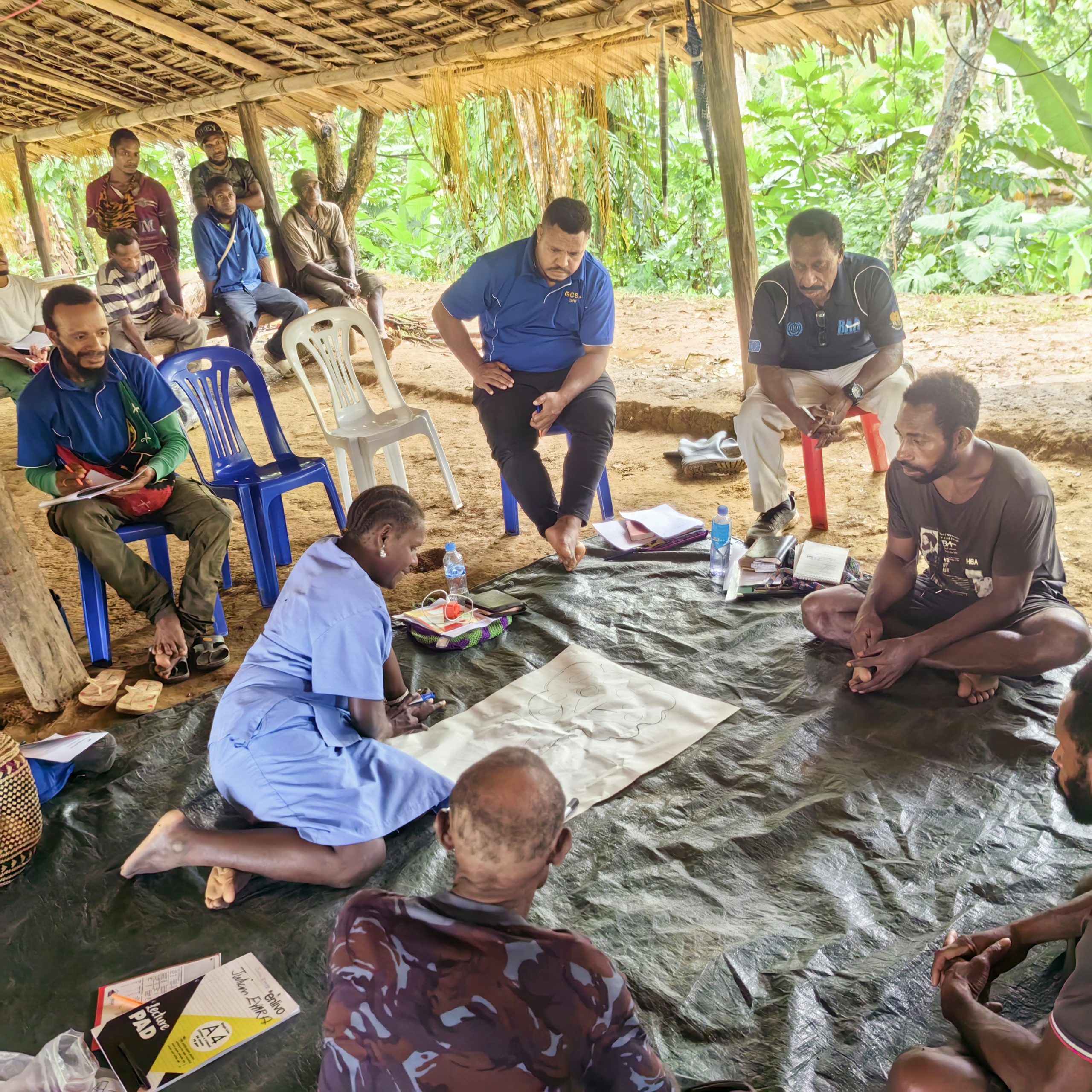
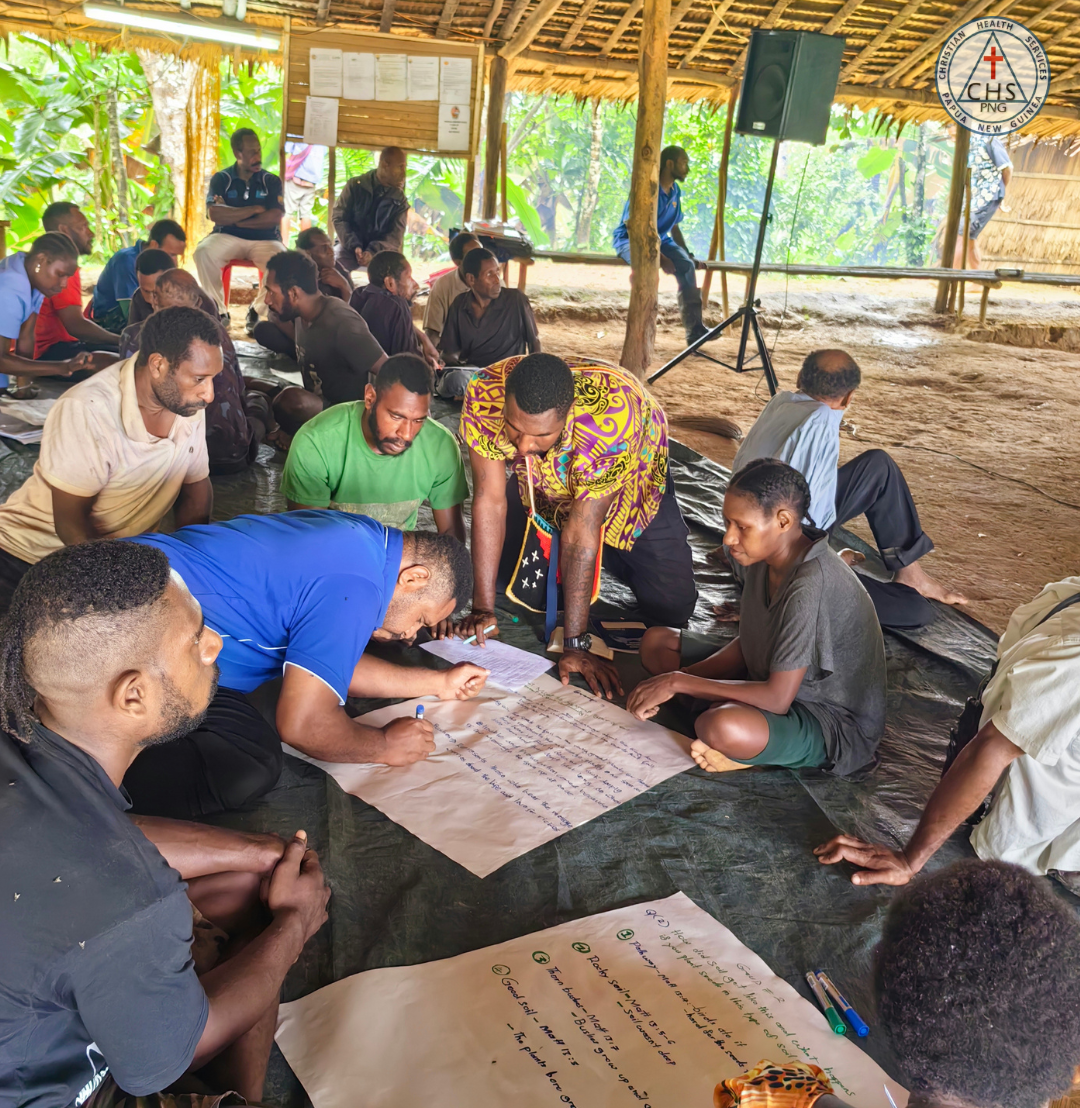
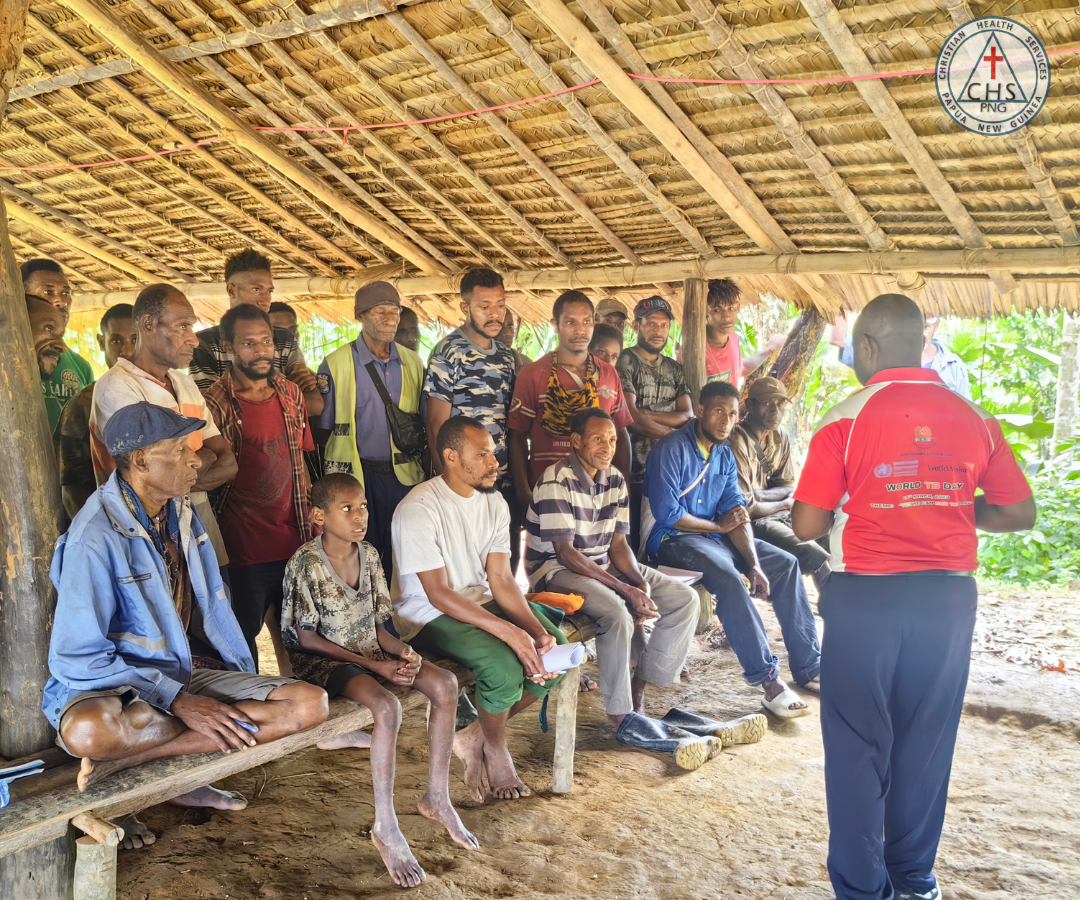
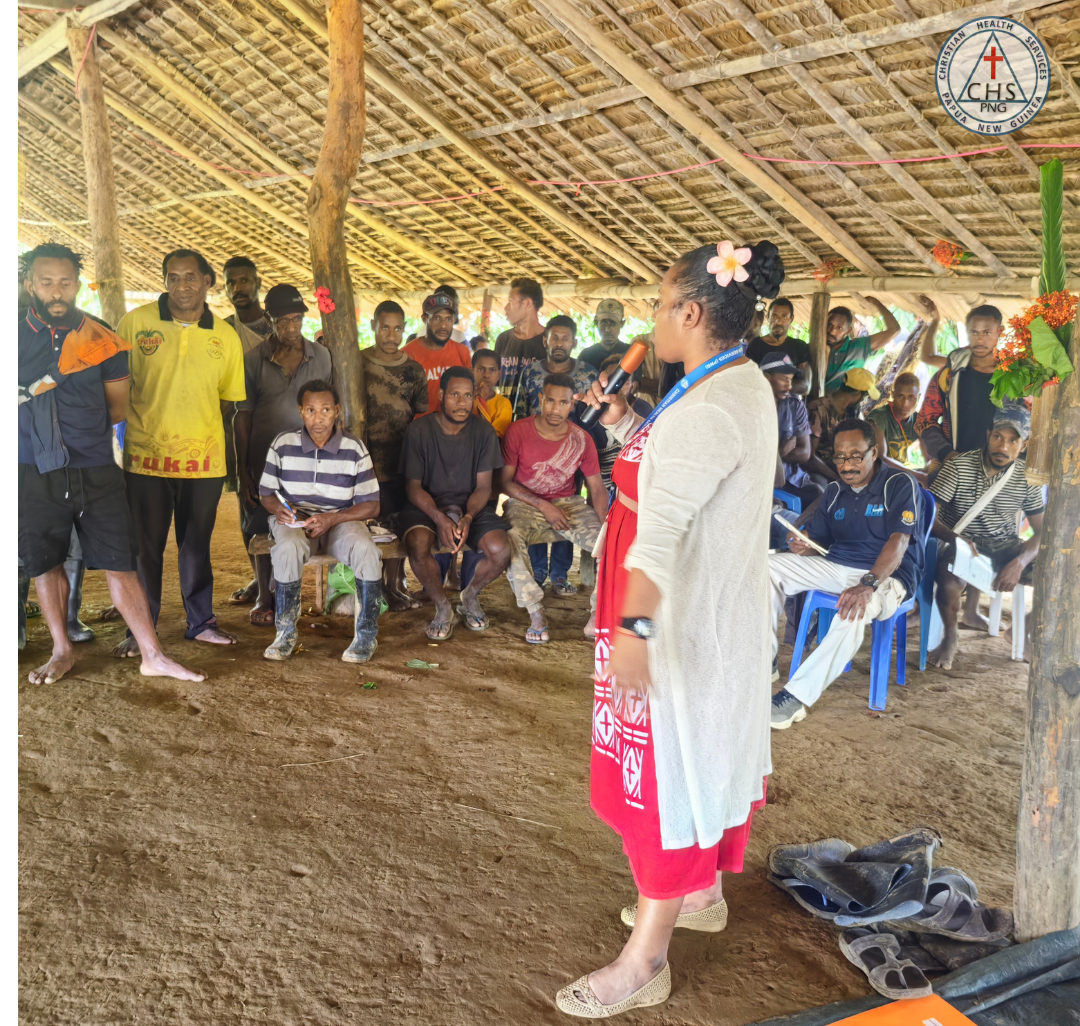
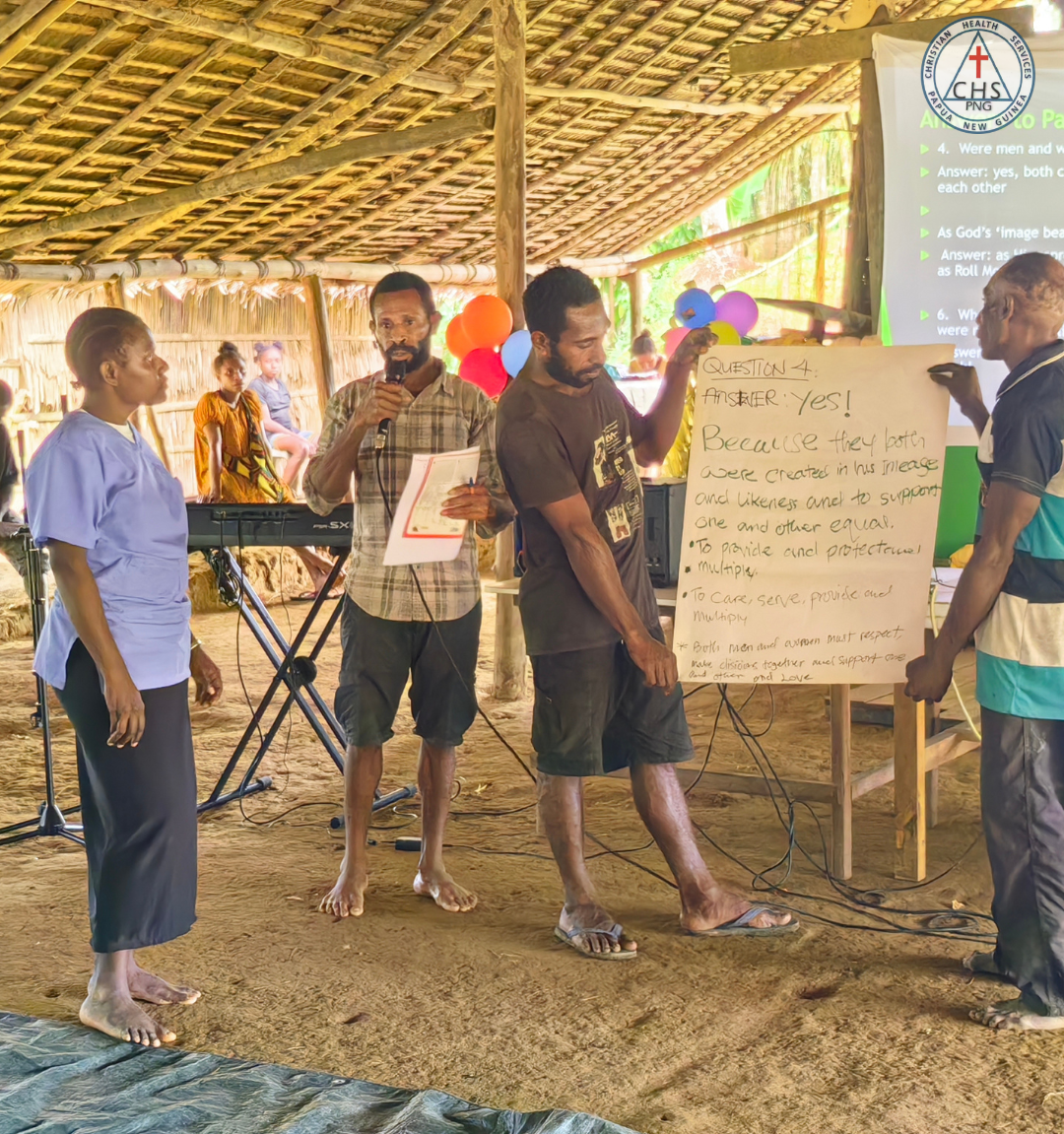
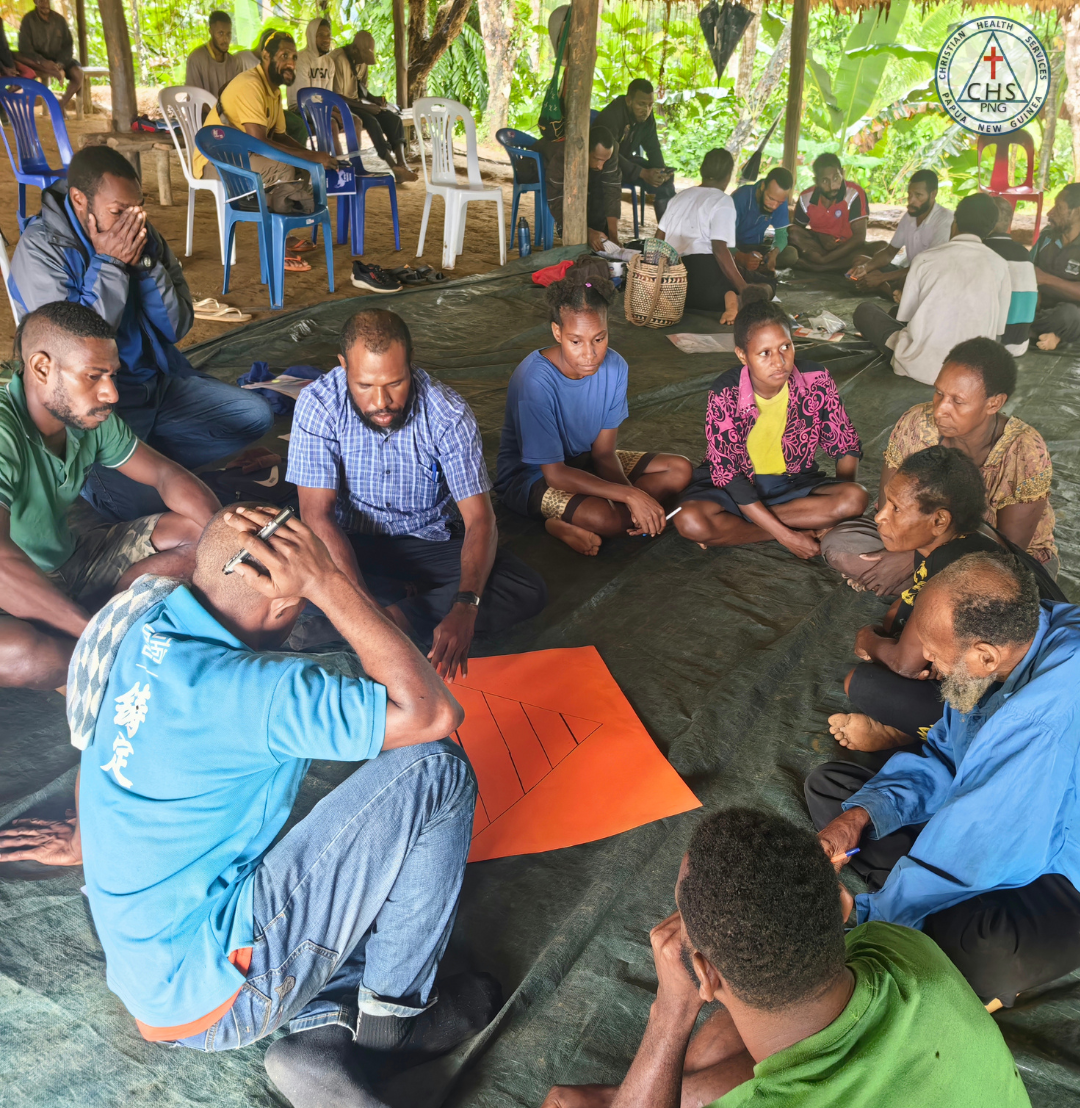
Topics covered mainly focused on community ownership, leadership development, health promotion, sustainable development, Ward Development Committee planning, budgeting, bookkeeping, monitoring and evaluation, and community reporting.
One of the most significant discoveries during the training was that many of the village’s challenges were linked to years of community divisions and leadership issues.
Through open, frank discussions and group activities, participants began identifying practical solutions to rebuilding a sense of unity amongst themselves.
Using biblical parables, role plays, leadership sessions, and Ward Development Committee planning exercises, participants were challenged to rethink ways that development can truly begin within their own community.
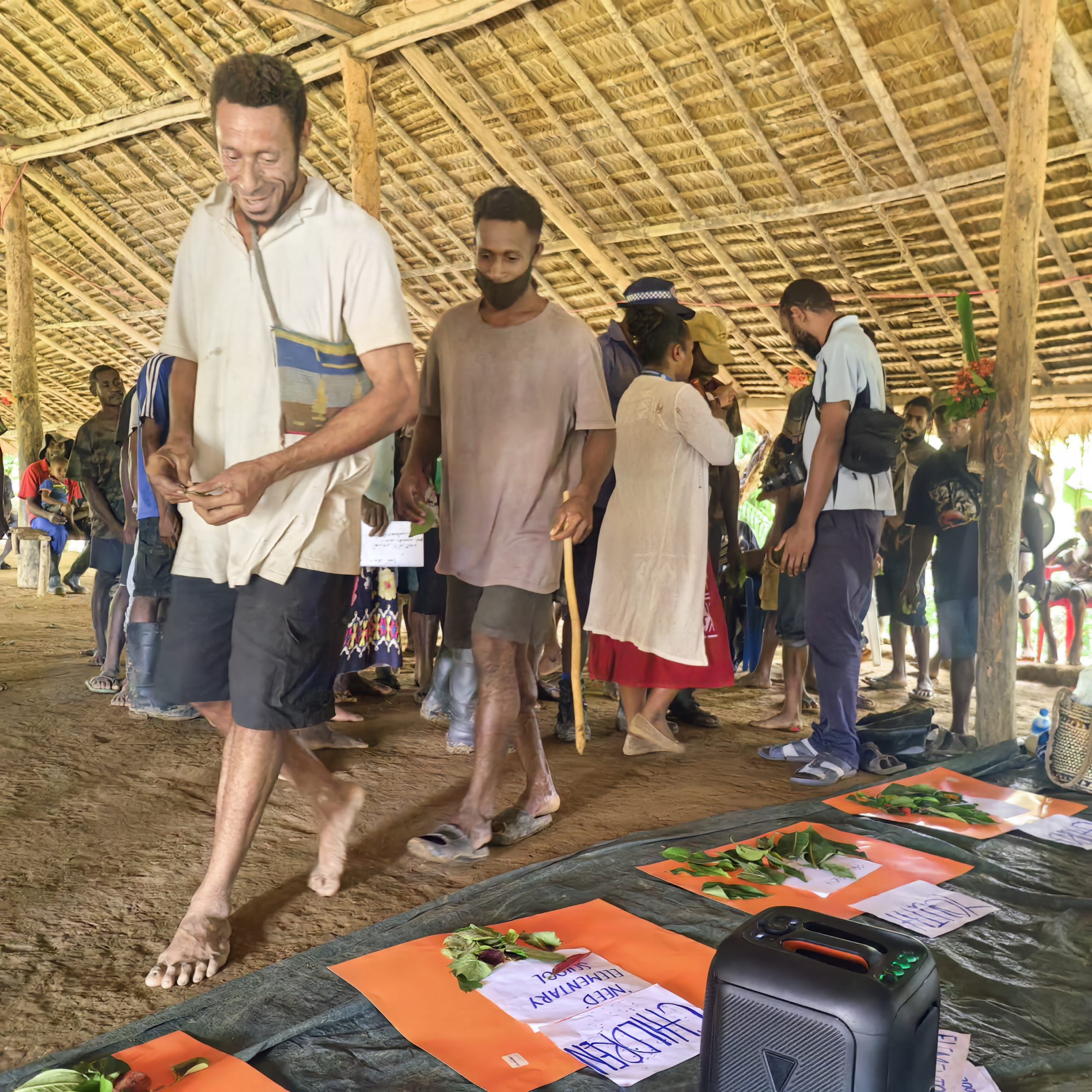
The participants were divided in to four (4) focus groups that included men, women, youth, children, and churches, participants. Their specific task was to identified and vote on the most pressing issues affecting Wowobo Village.
The community overwhelmingly prioritised the construction of an Aid Post, followed closely by the rebuilding of the community’s primary school as their priorities.
One mother explained why health services received her vote.
“The struggle to paddle for hours through swamp waters during emergencies has cost lives. Mothers, children and sick people suffer because help is too far away. We need health services here in our community.”
The community also identified improved leadership, education services, and church development as important priorities for them going in to the future.
Unlike conventional development approaches that depend heavily on outside funding, the EDEN model encourages communities to begin with the resources they already have available.
The community has already allocated land for the proposed health facility and pledged to build both the aid post and staff accommodation.
Once completed, community leaders plan to formally request Gulf Christian Services to deploy a health worker to the area.
This model has already proven successful in several Kapuna catchment communities where villagers have built aid posts and staff houses before requesting health workers to be stationed in their villages after the rollout of EDEN Program.
For Gulf Christian Services, the approach is about empowering communities to take ownership of their future while creating sustainable pathways for service delivery.
The training also left a lasting impression on participating health workers.
Mrs. Julian Evara, a Community Health Worker from Kapuna Rural Hospital, said the training had strengthened her commitment to community empowerment.
“I am thankful for this EDEN Mass Training. What I have learnt here, I will take back and apply in my own community. This training has the power to change people’s mindsets. It teaches communities not to wait for others but to make use of the resources already available around them and begin improving their own lives.”
The holistic nature of the EDEN program was further strengthened through the involvement of Pastor Simon Evo’o, the EDEN Pastor based at Kapuna Rural Hospital. His role supports the spiritual aspects of the training and reinforces the importance of faith, leadership, and servant-hearted community development.
Community leader and former Community Health Worker Mr. Peter Tougi said the training has given Wowobo a practical pathway forward.
“Before this training, we knew our problems but we did not know how to solve them. Now we understand that development starts with us. We have the resources around us to begin with. We can build our aid post and school using local materials and work together as a community. We will not wait any longer. We are ready to start.”
During the closing ceremony, Mr. Jasper Erinuka challenged the community to put their plans into action.
“The training is now complete, but the real work begins when we leave. We will return in the coming weeks to see what progress has been made. The future of Wowobo is now in your hands.”
In response, community leaders assured facilitators that work would begin immediately.
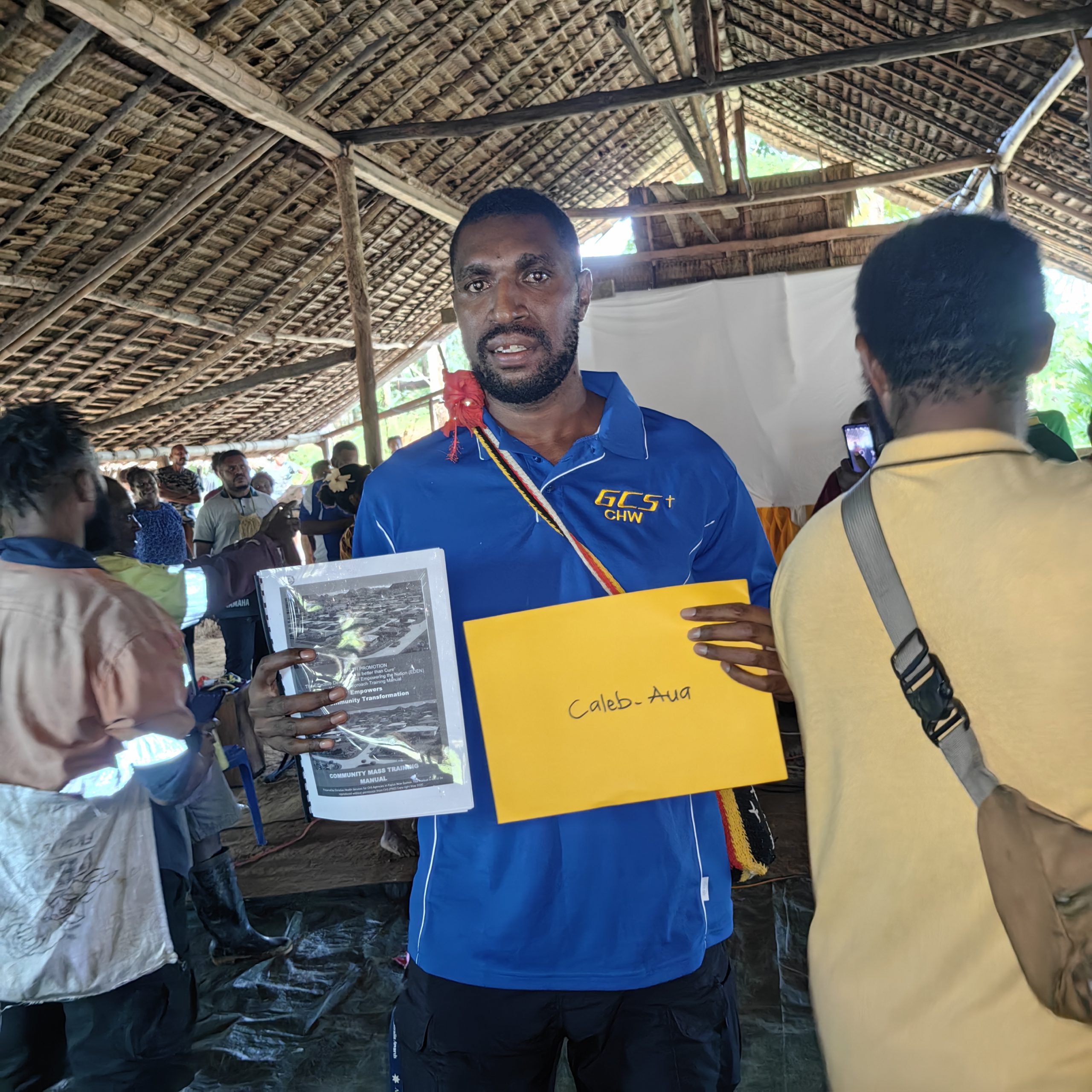
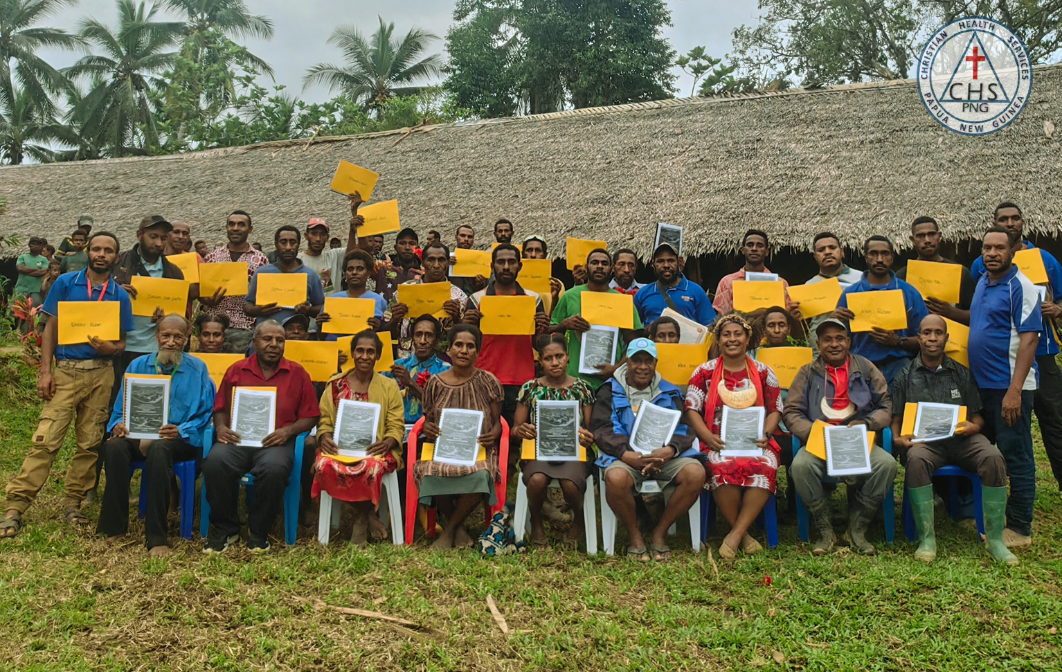
The EDEN Mass Training concluded with certificate presentations, prayers, and joyful celebrations as 36 participants graduated from the program.
Yet the greatest achievement was not the certificates received, but the transformation in mindset that took place in the participants throughout the week.
For the people of Wowobo, the training marked the beginning of a new chapter—a community determined to restore health and education services, strengthen leadership, rebuild unity, and embrace the EDEN Concept as a pathway toward becoming a Healthy Island Community.
As the training team departed the village, the image of the opening drama remained unforgettable.
The canoe carrying the pregnant mother was more than a performance—it was a reflection of the struggles the community has endured for decades.
But unlike the story portrayed at the beginning of the week, the people of Wowobo are no longer paddling without direction.
Today, they are paddling together toward hope, ownership, and a brighter future for generations to come.