“A police vehicle pulls quietly into a clinic compound. A young mother steps out, her face bruised and swollen, clutching her baby while a small child clings to her torn blouse. She had waited until her husband fell asleep before escaping into the night”. (Source: UNFPA Papua New Guinea, survivor testimony, 2020)
In Enga Province, a woman accused of sorcery was tortured and killed in front of her children. The children, left orphaned and stigmatized, were abandoned by relatives who feared being associated with her. (Source: PNG National Research Institute SARV Report, 2021).
This is not just a story. For many women in Papua New Guinea, it is reality.
Gender-Based Violence (GBV) refers to violence directed at individuals based on gender, disproportionately affecting women and girls. It includes physical, sexual, emotional, and psychological abuse, often within families and communities.
Sorcery Accusation-Related Violence (SARV) occurs when individuals are accused of practicing sorcery, often without evidence. These accusations lead to torture, persecution, and killings, fueled by fear, cultural beliefs, and misinformation.
Both GBV and SARV continue to devastate communities across Papua New Guinea, leaving behind trauma, broken families, and loss of life.
These two stories are not isolated cases. They represent the daily reality for many women and children in Papua New Guinea.
- 56% of women aged 15–49 reported experiencing physical violence since age 15.
- 28% of women reported sexual violence.
- Nearly two out of three women are expected to face violence in their lifetime. (Source: PNG Demographic and Health Survey 2016–2018; UNFPA PNG, 2020)
- Between 2016–2020, 298 incidents of violent sorcery accusations were documented across four provinces.
- Over 10% of victims were killed, and one-third permanently injured. (Source: PNG National Research Institute, 2021)
Both GBV and SARV devastate communities, leaving behind trauma, broken families, and loss of life. Their impacts can last for years.
Recognizing the urgency, the Christian Health Services Papua New Guinea (CHSPNG) National Secretariat Office (NSO), with support from the Community Justice Fund (CJF), has rolled out a series of workshops on Good Governance, Gender Based Violence (GBV) and Sorcery Accusation Related Violence ( SARV):
The workshop was facilitated by the CHSPNG NSO team. Key facilitators included the CHSPNG National Secretariat Staff;
- DCEO Mr. Bernard Rutmat
- Training School Coordinator Mr. Derring Lengi
- Health Promotion Coordinator Ms. Christine Ware
- External Facilitator Reverend Arua Morea
- Trial Workshop (Port Moresby, 9–12 March 2026): 12–15 participants gathered at the CHS NSO Conference Room-Port Moresby. Reverend Arua Morea, who facilitated biblical teaching across all workshops, reminded participants:
“Violence against the vulnerable is not just a social issue—it is a spiritual crisis. Only God’s word can change people’s mindset.”
- First Official Workshop (Port Moresby, 30 March–1 April 2026): Health managers, health workers, and church leaders from CHS Southern and NGI Regions met at Edgewood Hotel.CHS PNG CEO Mr. Ulch Tapia presented on Good Governance, stressing accountability and moral responsibility.
“Where leadership is weak, vulnerability grows.”
Together, they combined biblical teaching, survivor testimonies, and practical strategies to emphasize that violence is not only a social issue but a spiritual crisis requiring faith, leadership, and coordinated action.
The final rollout (8–10 April 2026) at Jiwaka Mission Resort (JMR) combined participants from the CHS Highlands and Momase Regions, drawing 45–50 attendees including church leaders, health managers, and officers-in-charge.
Reverend Arua Morea again facilitated biblical teaching, grounding discussions in scripture and reminding participants that peace and dignity are God’s design for humanity.
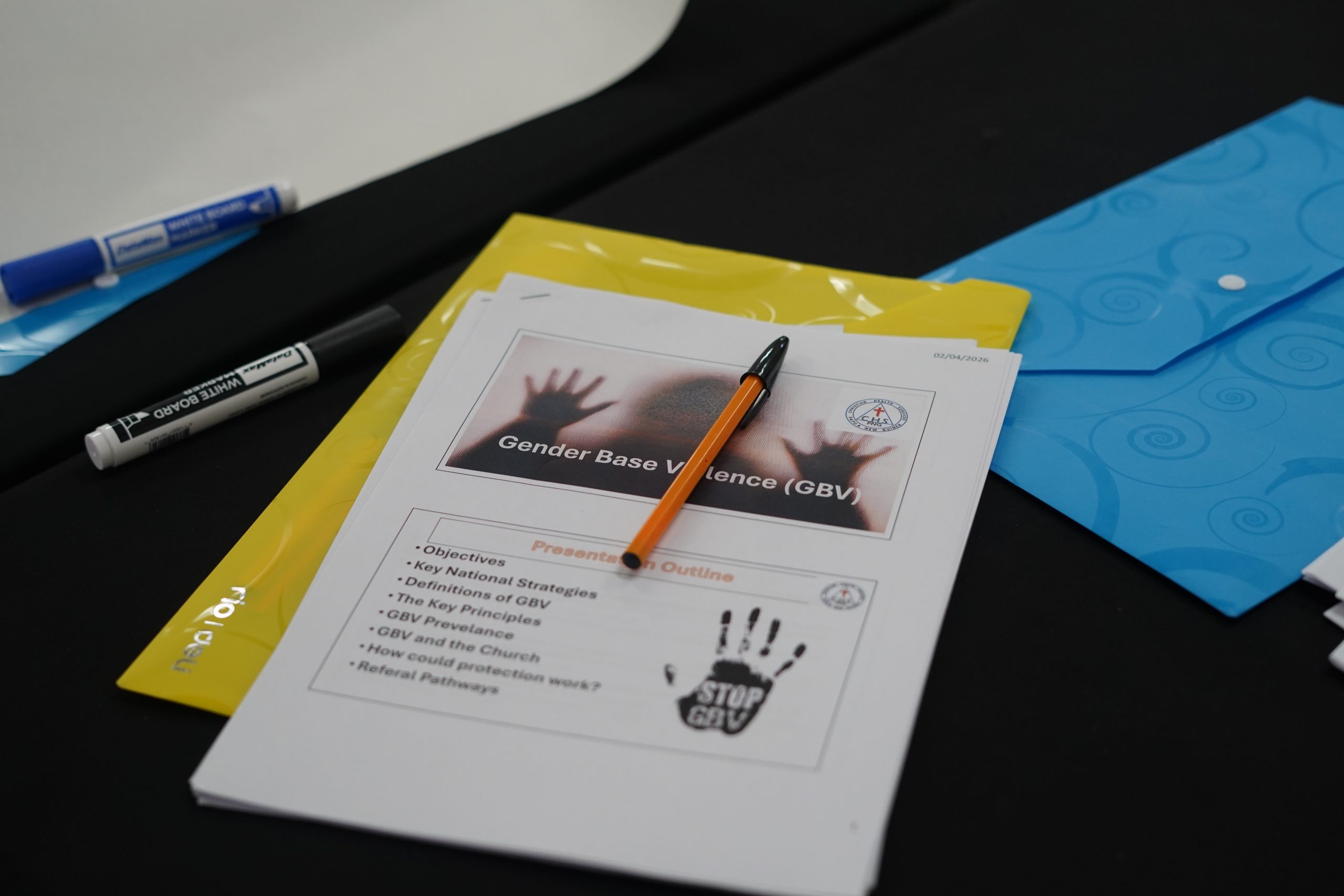
GBV & SARV TRAINING MATERIALS
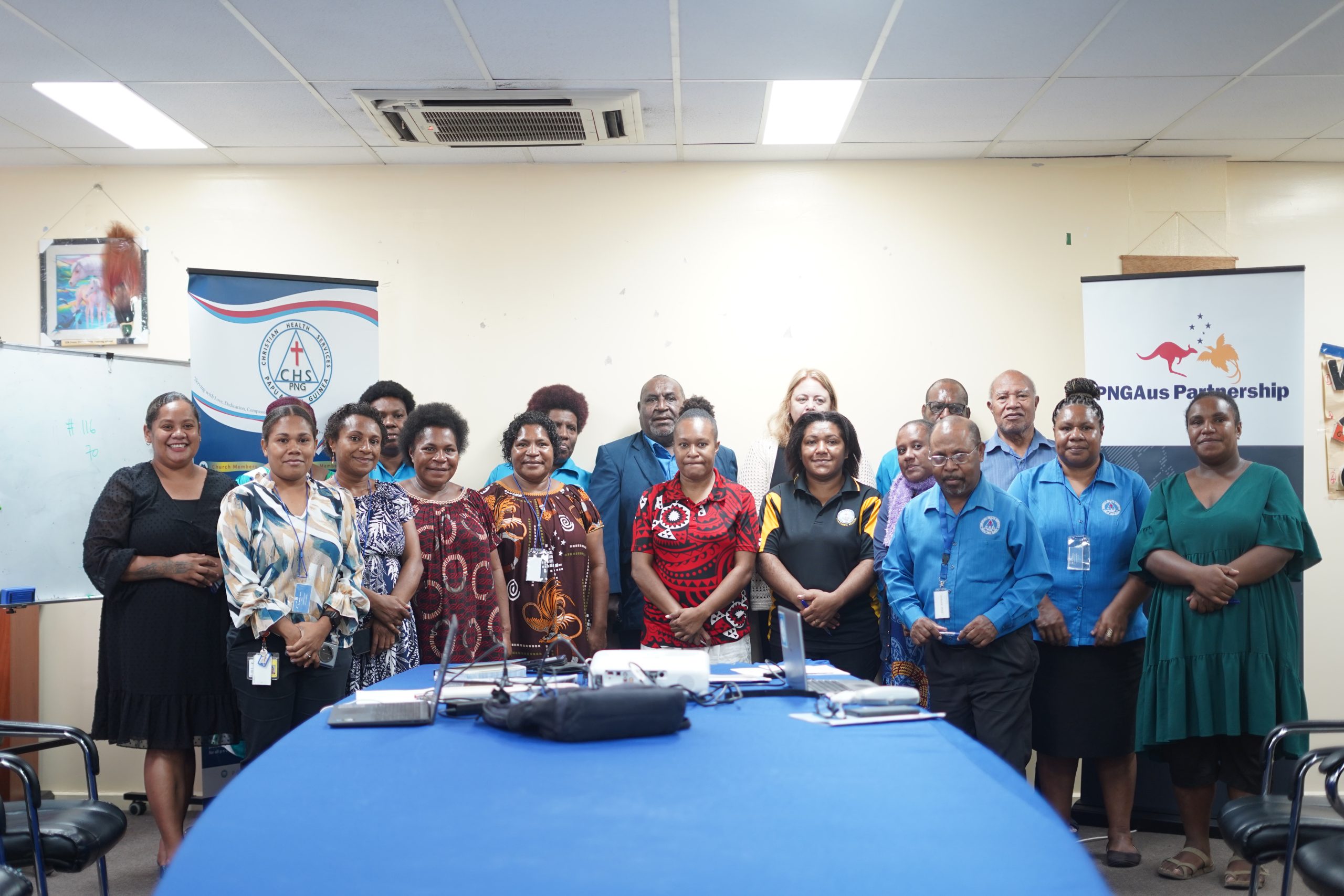
Location: CHS NSO Conference Room
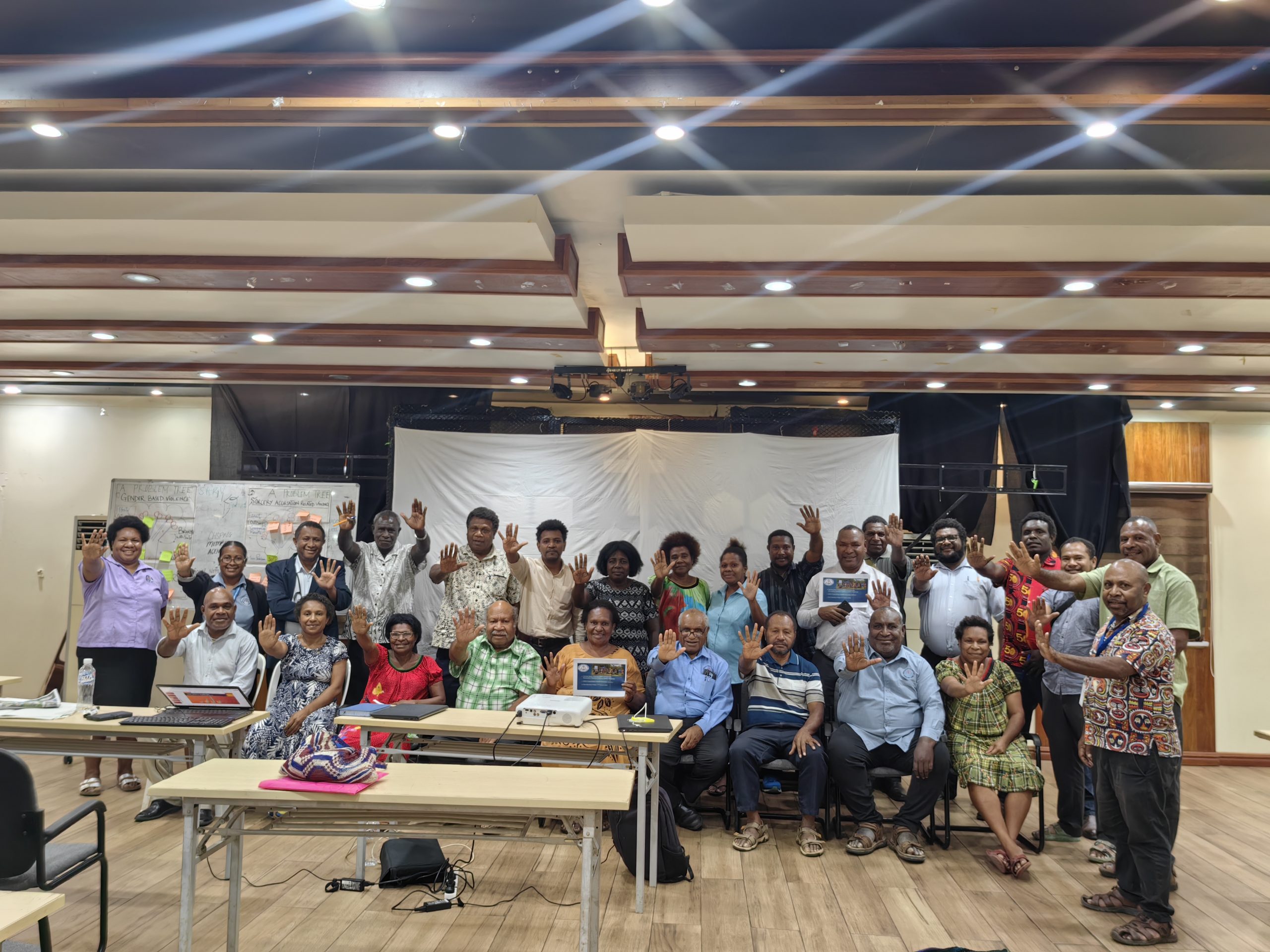
Location: Port Moresby
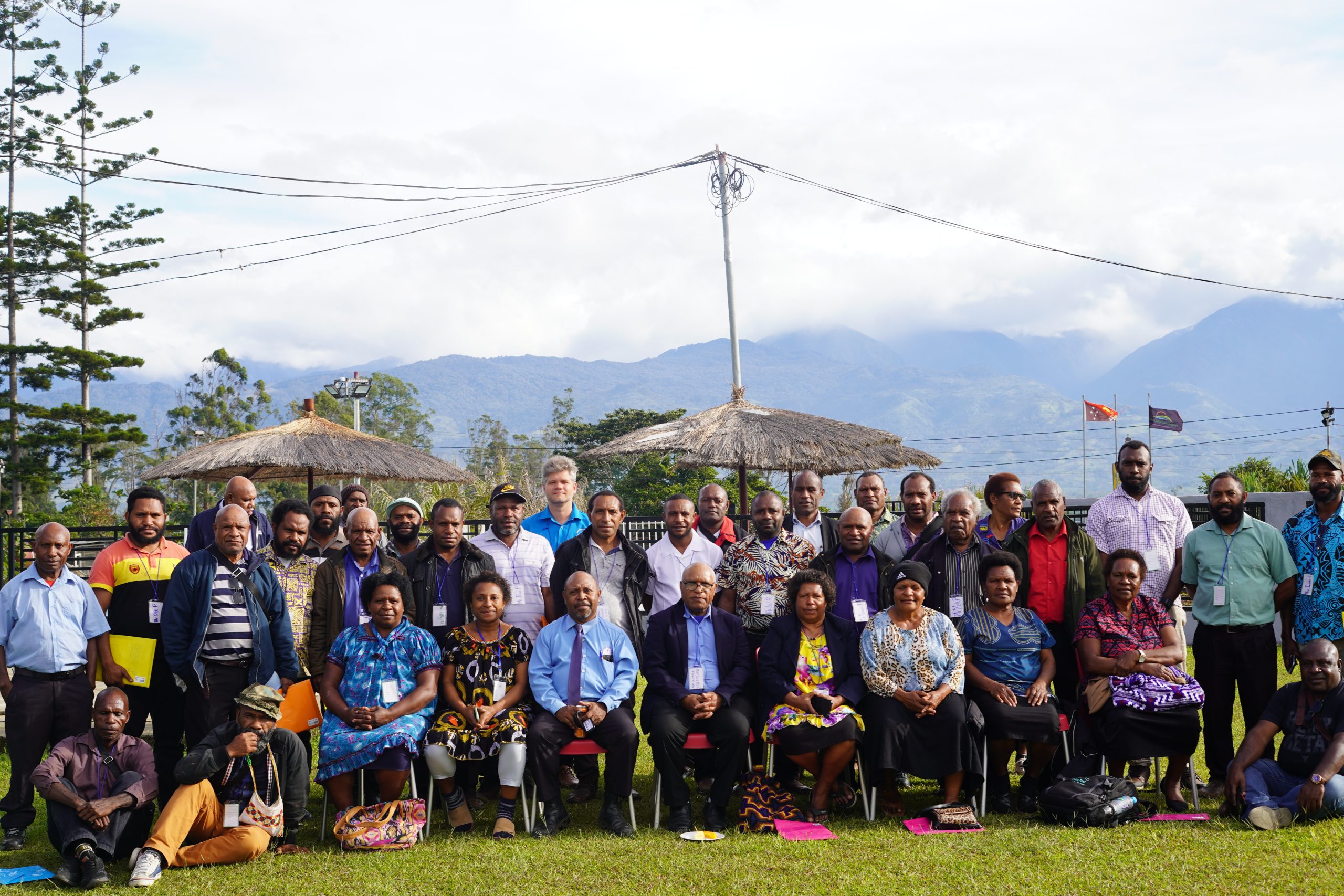
Location: Jiwaka Mission Resort
During the opening of the final workshop at JMR, CEO Mr. Ulch Tapia delivered his opening remarks, warmly thanking participants for their involvement and commitment. He expressed gratitude to CJF for funding the workshop, noting
“Without CJF’s support, this workshop would not have been possible. It is the first of its kind hosted by CHS NSO, and we hope and look forward to the next phase of this project.”
Mr. Tapia emphasized that the workshop was a milestone for CHSPNG, bringing together diverse leaders to confront the realities of GBV and SARV.
A defining moment followed when Lutheran Bishop Reverend Kamem Gena from Chimbu Province shared his personal ordeal. After losing his wife and children to illness in 2014 and 2019, his community accused him of sorcery. As a Christian and church leader, he held firmly to his faith and rejected the false power of saguma (sorcery). He declared:
“Nogat saguma, mipla ino bilip long saguma. You can kill my body, but you cannot kill my spirit. Sorcery has no power to kill people.”
Reverend Gena reminded participants that Christians “must not” believe in the power of sorcery but in the power of Jesus Christ, who has already won victory over sin and death said Rev Gena. His testimony encouraged participants to stand strong against harmful beliefs, to reject fear, and to proclaim the truth that life and victory are found in Christ alone.
Other testimonies painted a vivid picture of the suffering caused by GBV and SARV. Survivors and advocates spoke of broken families, stigma, and the pain of being accused or abandoned. The fact that children are the victims of GBV and SARV leaves a scar in their development stages particularly their minds.
In the final session, Ms. Christine Ware introduced EDEN as a practical tool to guide communities in addressing GBV and SARV. Through EDEN, participants reflected deeply on the roots of violence and identified solutions that are both spiritual and practical.
Key drivers identified included:
• Lack of awareness that leads to violence
• Deeply rooted belief systems in sorcery
• Law and order issues that fail to protect victims
• Glasman/glasmeri practices, where diviners falsely accuse individuals for financial gain
Mrs. Binake Gibilen (SDA Health Promotion Coordinator) raised a critical question:
“When women victims of SARV are killed, what happens to the children?”
Discussions revealed that children are often left orphaned, stigmatized, and vulnerable to further abuse. This highlighted the urgent need for safe houses, child protection policies, and stronger referral pathways to ensure children of SARV victims are not abandoned.
Her question also underscored the destructive role of glasman/glasmeri practices, where false accusations not only lead to violence against women but also leave children without protection or care. The forceful separation of children and parents will always have a telling tale on how this child will develop in the future and how complete his life will become.
Research by the PNG National Research Institute found glasman/glasmeri were involved in nearly 29% of documented SARV cases. This data is telling as it points to a wider acceptance of the role glasman/meri play in the communities which must advocated against at all costs.
Governor Allan Bird, Deputy Chair of the GBV Committee, condemned their actions during the 2022 parliamentary debate:
“Glasman and glasmeri are con artists who destroy the lives, communities, and the reputation of our Christian nation. PNG must not allow these serial killers to operate as they please.”
The participants at the workshops were challenged to face to devise ways to change their ways they view SARV in general.
The Criminal Code (Amendment) Act 2022, known as the Glassman Law, now criminalizes their activities, with penalties up to life imprisonment.
Participants worked into three distinct groups to identify practical solutions for their communities: the solutions are listed as per the group’s needs.
- OICs (Officers-in-Charge): Highlighted the following needs as follows: Counseling training: safe houses: referral pathways: legal engagement: and pastors to be as role models.
- Health Managers: Highlighted the following needs as follows: Specialized GBV training: designated GBV positions: CHS GBV policy development: and chaplain engagement in health services:
- Church Leaders: Highligthed the following: Promoting God’s love: strengthening family management: ensuring pastoral presence in facilities: and reporting secondary abuse cases.
Workshop participant Mr. Stanley Lemb (OIC Hela Good News) emphasized:
“We must take what we learned here back to our communities and act.”
Closing remarks were delivered by Mr. Fendrick Arebo (Salvation Army Eastern Highlands HPO) on behalf of the male participants:
“It’s not about competition—it’s about holding hands tighter and working in unity to address GBV and SARV. We serve one purpose, and it is God’s purpose.” CHSPNG is uniquely placed to mitigate on the rising trends of GBV and SARV. As often said “our strength is our unity “so must our actions must be in unison to eradicate GBV and SARV from having a bad outcome on the future of our nation.
The workshops delivered a clear message: GBV and SARV are not cultural norms or acceptable practices — they are wrongdoings that destroy lives, families, and communities. They have NO place in our societies.
As church health workers and church leaders, participants were reminded that Christians must never believe in sorcery or accept violence as “right.” Instead, they are called to stand firm in faith, reject harmful beliefs, and confront these realities with the truth of God’s Word.
The reality is stark:
- Women and children continue to suffer abuse and violence.
- Families are torn apart by false sorcery accusations.
- Communities are weakened by fear, stigma, and silence.
Ending GBV and SARV requires more than awareness — it demands faith-driven conviction, unity, and action.
Violence thrives in silence. But through initiatives like these, CHSPNG is building a movement that can create change — one rooted in faith, compassion, and justice.
Because every life matters. Every voice matters. And no one deserves to suffer in silence.
Because every life matters. Every voice matters. And no one deserves to suffer in silence.
END GBV. END SARV. END THE SILENCE